Table of Contents
- Opening the Era of 10 Million Passengers at Gimhae International Airport
- Strengthening International Competitiveness through the Expansion of Medium and Long-Haul Routes
- Early Operation of the Second Departure Lounge and Securing CIQ Personnel
- Achievements of Gimhae Airport that Form the Basis for Gadeokdo New Airport Demand
- The Significance and Challenges of 10 Million Passengers at Gimhae International Airport
- Frequently Asked Questions (FAQ)
Opening the Era of 10 Million Passengers at Gimhae International Airport

The number of international passengers at Gimhae International Airport has exceeded 10 million as of December 19, 2025, setting a historic record.
This achievement is the first of its kind for a local airport since its opening in 1976, greatly exceeding the previous record of 9.87 million set in 2018. This indicates a full recovery of international flight demand following the COVID-19 pandemic, receiving positive evaluations for strengthening Gimhae Airport's role as a hub for international transportation.
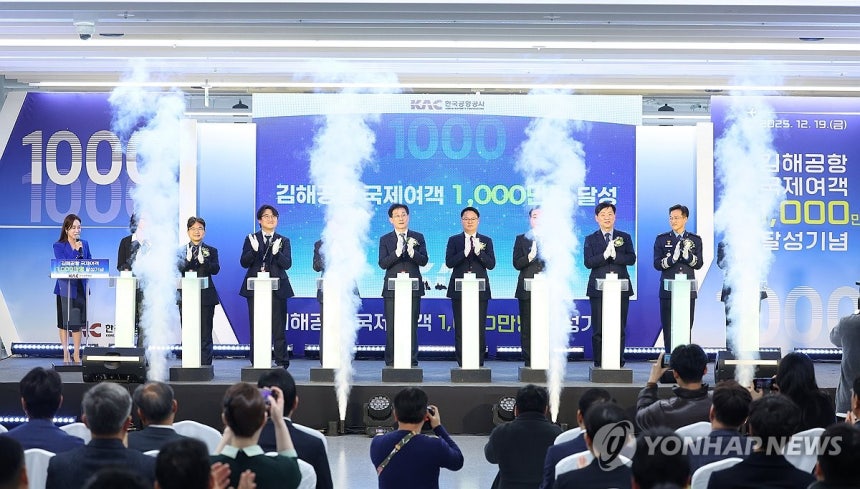
The City of Busan, the Korea Airport Corporation, and various relevant agencies including the customs, immigration, and quarantine (CIQ) services at Gimhae Airport have collaborated to establish a One-Team structure. The results of their focus on the expansion of medium and long-haul routes and improved airport operations also hold significant policy implications.

Strengthening International Competitiveness through the Expansion of Medium and Long-Haul Routes
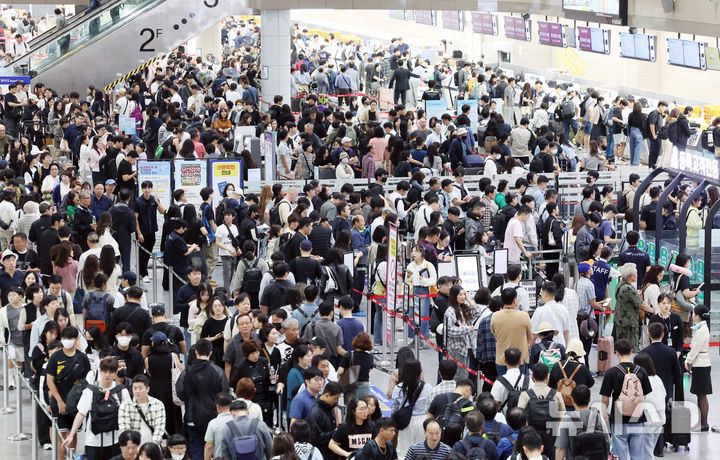
The primary reason for the increase in international passengers at Gimhae International Airport is the expansion of medium and long-haul direct routes. Since the 8th elected administration, Busan has been actively focusing its administrative power on expanding the international route network from Busan.
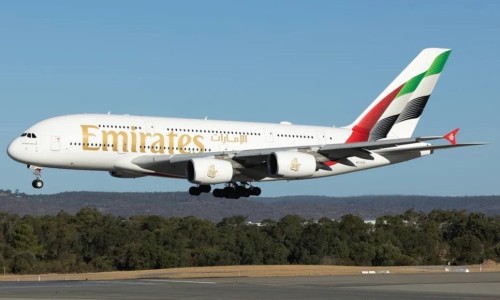
In particular, the Busan-Bali route, which opened in October 2024, is expected to transport approximately 67,000 passengers annually and has stabilized its position. Additionally, the Busan-Tashkent and Busan-Almaty routes have been established as the first for local airports, significantly reducing the inconvenience of transit through Incheon Airport.
Currently, Gimhae Airport operates 1,546 flights weekly to 42 cities, showing a significant increase compared to 2018. These changes demonstrate the structural growth potential of international travel demand.
Early Operation of the Second Departure Lounge and Securing CIQ Personnel
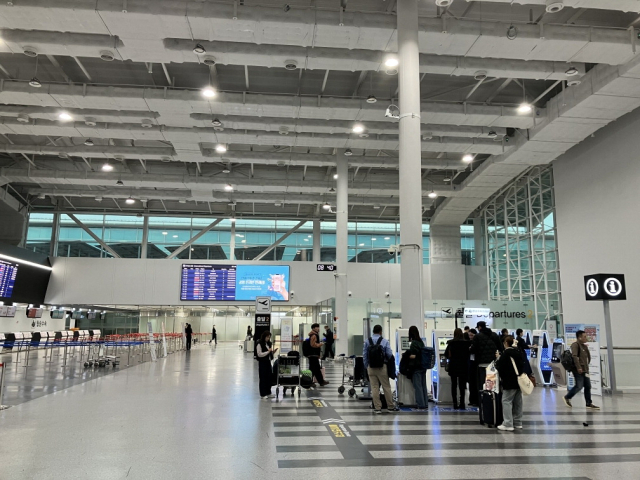
As the number of international passengers has surged sharply, congestion in the departure lounge has become the biggest issue. To address this, Gimhae Airport plans to operate the second departure lounge during peak hours starting from December 12.
The operation hours of the second departure lounge are from 5:40 AM to 10:00 AM, which is expected to reduce departure processing times by up to 30 minutes.
Additionally, the issue of CIQ personnel shortages, which was hindering the operation of the second departure lounge, is also being resolved. The City of Busan has achieved an increase of 21 CIQ personnel by continuously persuading central ministries and the National Assembly, and in the short term, stability in operations is being enhanced through personnel reallocation and dispatch.
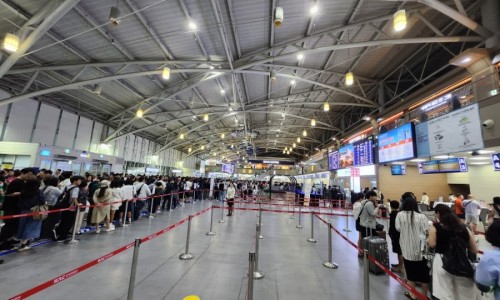
Achievements of Gimhae Airport that Form the Basis for Gadeokdo New Airport Demand
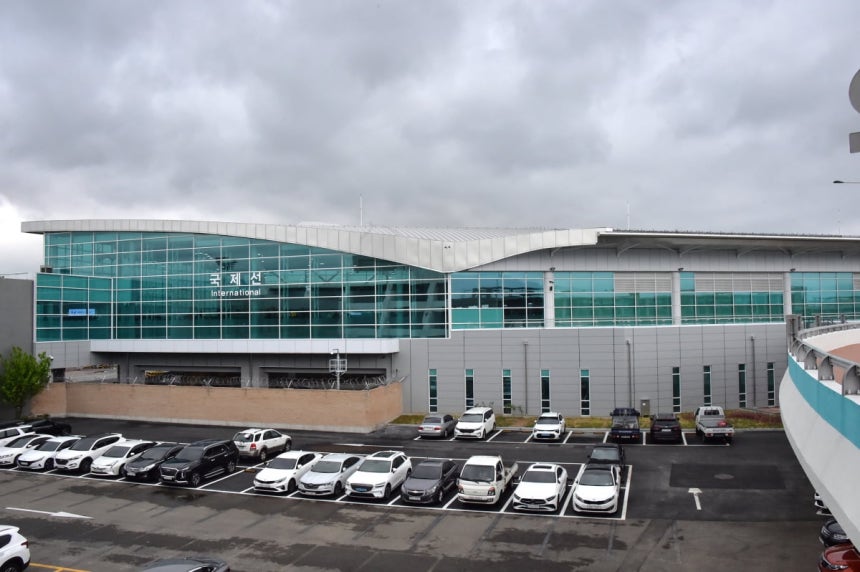
The recent increase in international passengers exceeding 10 million is not just a simple achievement. It can be interpreted as a clear illustration of the demand for air travel toward Gadeokdo New Airport. The City of Busan aims to attract 5 million foreign tourists by 2028, which is deeply connected to the growth trend of international flights at Gimhae Airport.
In the future, Busan plans to solidify its position as a global hub city through the expansion of direct international routes, improvement of the airport environment, and development of smart airports. Currently, the achievements of Gimhae Airport not only mark the beginning but also serve as an important milestone for moving toward the next stage. Such development is expected to positively impact Busan's economy and tourism industry.
The Significance and Challenges of 10 Million Passengers at Gimhae International Airport
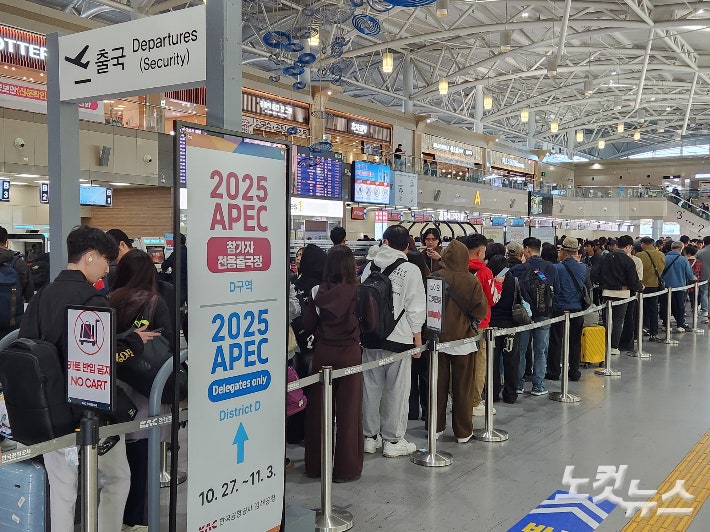
The number of international passengers at Gimhae International Airport exceeding 10 million shows a significant enhancement in Busan's urban competitiveness and international accessibility. However, challenges remain in matching the increasing demand with terminal operations, personnel allocation, and facility expansion.
In the future, the official operation timing of the second departure lounge, stable securing of CIQ personnel, and a phased transition to Gadeokdo New Airport are expected to become key issues. These elements need to be resolved for Busan's airport competitiveness to be further strengthened.
#GimhaeInternationalAirport, #GimhaeAirportInternationalFlights, #InternationalFlights10Million, #SecondDepartureLounge, #GimhaeAirportCongestion, #BusanInternationalAirport, #BusanInternationalFlights, #DirectFlightsfromBusan, #BusanBaliRoute, #BusanCentralAsia, #DirectFlightstoTashkent, #DirectFlightstoAlmaty, #CIQPersonnel, #AirportDepartureLounge, #BusanTravel, #BusanTourism, #ForeignTourists, #BusanGlobalCity, #GadeokdoNewAirport, #NewAirportDemand, #FirstLocalAirport, #InternationalFlightRecovery, #IncreaseinAirTravelDemand, #BusanEconomy, #BusanUrbanCompetitiveness, #SmartAirport, #AirportExpansionTerminal, #TipsforUsingGimhaeAirport, #BusanAviation, #DomesticAirports
Frequently Asked Questions (FAQ)
Q. What does it mean that the number of international passengers at Gimhae International Airport has exceeded 10 million?
It signifies that Gimhae International Airport is the first local airport to surpass 10 million international passengers, indicating its growth as a hub for international transportation.
As of December 19, 2025, the number of international passengers at Gimhae International Airport has exceeded 10 million. This achievement is the first of its kind for a local airport since its opening in 1976 and significantly surpasses the previous record of 9.87 million set in 2018. This figure shows that international flight demand has fully recovered after the COVID-19 pandemic, with positive evaluations for strengthening Gimhae Airport's role and competitiveness as an international transportation hub.
Q. What are the main reasons for the increase in international passengers?
The increase in international passengers is mainly due to the expansion of medium and long-haul direct routes and the development of the network from Busan.
The increase in international passengers at Gimhae International Airport is attributed to the expansion of medium and long-haul direct routes. Since the 8th elected administration, Busan has been actively promoting the expansion of its international route network, establishing routes like Busan-Bali, Busan-Tashkent, and Busan-Almaty, which have reduced the inconvenience of transit through Incheon Airport. Currently, Gimhae Airport operates 1,546 flights weekly to 42 cities, showing a significant increase in flights compared to 2018, driving structural growth in international travel demand.
Q. What measures is Gimhae Airport taking to address congestion issues?
Gimhae Airport is addressing congestion by operating the second departure lounge and increasing CIQ personnel.
Due to the surge in international passengers, the congestion issue in the departure lounge has intensified, leading Gimhae Airport to start operating the second departure lounge during peak hours from December 12. The operation hours are from 5:40 AM to 10:00 AM, which is expected to reduce departure processing times by up to 30 minutes. Additionally, to address the shortage of CIQ personnel, the airport is persuading central ministries and the National Assembly to achieve an increase of 21 personnel by 2026, and will also implement short-term personnel reallocation and dispatch for operational stability.
Q. What is the long-term significance of surpassing 10 million passengers at Gimhae Airport?
It is an important milestone indicating the foundation for the demand for Gadeokdo New Airport and Busan's leap as a global hub.
Surpassing 10 million passengers is interpreted as a significant accomplishment, representing the foundation for air travel demand toward Gadeokdo New Airport. Busan aims to attract 5 million foreign tourists by 2028, which is closely related to the growth trend of international flights at Gimhae Airport. In the future, Busan will focus on expanding international routes, improving airport conditions, and developing a smart airport to solidify its position as a global hub city. The current achievements of Gimhae Airport are not only the beginning but also a crucial turning point for advancing to the next stage, with expectations for a positive impact on Busan's economy and tourism industry.
Q. What challenges does Gimhae International Airport need to address in the future?
Key challenges include improving terminal operations, ensuring stable CIQ personnel, and a smooth transition to Gadeokdo New Airport.
Gimhae International Airport still faces significant challenges, such as terminal congestion due to increasing international passengers and personnel shortages. There is a need for the official operation timing of the second departure lounge and the sufficient securing of CIQ personnel, while a phased transition to Gadeokdo New Airport is also emerging as a key issue. Resolving these matters will be essential for strengthening the international competitiveness of Busan's airport.