Table of Contents
- Why the National Busan Science Museum for Eastern Busan Children's Science Trip?
- The Leap of the Science Museum After 10 Years and Its Role as a Regional Educational Platform
- Key Experiences at the Busan Science Museum Worth Visiting with Kids and How to Use QR Tickets
- 10th Anniversary Special Exhibition and Upcoming Schedule, Creating Family Outing Plans in Busan
- Conclusion: The Center of Children's Science Experience in Busan, Looking Forward to the Next 10 Years
- Frequently Asked Questions (FAQ)
Why the National Busan Science Museum for Eastern Busan Children's Science Trip?
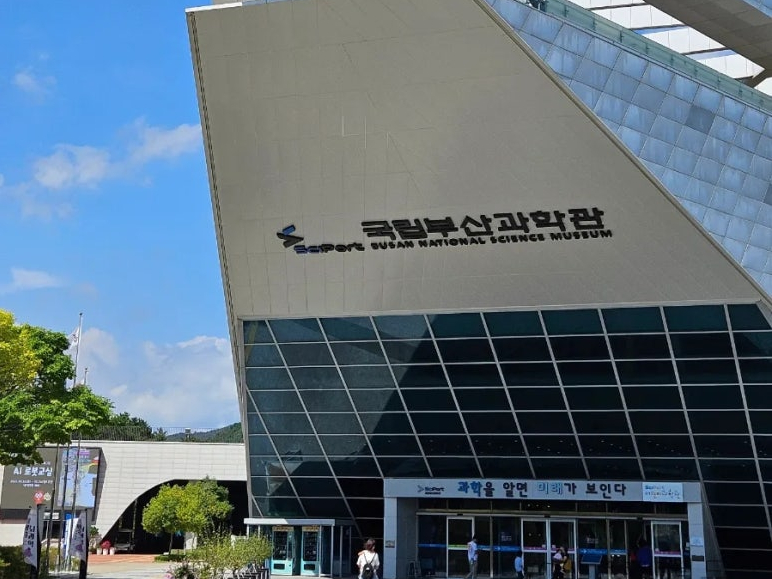
To commemorate its 10th anniversary, the National Busan Science Museum has surpassed a total of 8 million visitors. Located in the Gijang Osiria Tourism Complex, it has established itself as a popular science experience space for children from Busan, Ulsan, and Gyeongnam regions.

The children's science museum is gaining popularity as a must-visit destination in Busan for families.
In particular, the renewal of the Saessak Nuri Hall and the expansion of various special exhibitions and astronomy programs have further increased its popularity.
Additionally, the introduction of an online booking system and QR code-based admission has significantly improved visitor convenience.
The Leap of the Science Museum After 10 Years and Its Role as a Regional Educational Platform

Over the past 10 years, the National Busan Science Museum has significantly improved the quality of its exhibitions and educational content, establishing itself as an important scientific and cultural platform in the southeastern region. With a cumulative visitor count of 8 million, 91% of whom are students and families from Busan, Ulsan, and Gyeongnam areas, it meets the local demand for science education.
The Busan Science Museum particularly focuses on evolving its permanent exhibits related to local industries such as automobiles, aerospace, shipping, marine, energy, and medical sciences, thereby enhancing its differentiation from other national science museums. Moreover, it continually expands its multipurpose experience spaces that cater to various age groups, such as the Children’s Science Museum (opened in 2022), the Science Education Camp Hall, and the Saessak Nuri Hall (scheduled for renewal in 2025).
Building on this exhibition foundation, it operates 690 types of educational programs, achieving participation from 880,000 people over the past 10 years. The Busan Science Museum will continue to strive for various efforts towards science education in the community.

The Busan Science Museum has announced a new vision to commemorate its 10th anniversary. Under the slogan, “An Infinite World of Science That Inspires Imagination, A Science Museum That Turns the Future Into Reality,” the museum aims to strengthen its role as a future science city in Busan.
In particular, it plans to enhance international partnership projects by introducing innovative strategies based on a triple helix model of cooperation between academia, industry, and government, as well as establishing ESG responsibility management. These changes reflect the museum's future-oriented direction.
Key Experiences at the Busan Science Museum Worth Visiting with Kids and How to Use QR Tickets

To visit the Busan Science Museum, online reservation is a must. The museum has implemented a QR code-based entry and experience system. Most programs are conducted by issuing a QR code after online booking, which is then scanned on-site for admission.

The main advantage of the QR ticket is that it is issued immediately after online reservation, allowing for fast entry without waiting on-site. When entering the Children’s Science Museum, the QR code should be scanned corresponding to the number of attendees, and a stamp is placed on the back of the hand.
Educational programs such as daytime astronomical observations, planetarium experiences, and drone experiences operate by reservation, allowing indoor education to proceed first after the QR check-in. Also, discount benefits for families with multiple children may be limited for online payments, so relevant documentation should be brought if on-site payment is desired.

Programs available to enjoy with kids in Busan
Daytime astronomical observations require prior reservation and tend to fill up quickly. Check-in is done via QR code, and indoor education is conducted for 15 minutes.
The planetarium is very popular, and competition for reservations during specific times is fierce, especially during sessions starting at noon, which receive extra attention.
The drone and 3D maker experiences are practical and receive high interest from elementary to middle school students.
The Saessak Nuri Hall for infants will be completely renewed in 2025, newly organized around the theme of ‘space exploration.’
A common experience of visitors to the National Busan Science Museum is that preparations for online reservation and QR codes significantly enhance the satisfaction of their visit.
10th Anniversary Special Exhibition and Upcoming Schedule, Creating Family Outing Plans in Busan

To commemorate the 10th anniversary, a special exhibition will be held throughout the year. Among these, the 'My Friend Cyfort' exhibition, running from October to March, is an experiential program exploring the past, present, and future of the museum. This exhibition is characterized by helping children easily understand the 10-year history of the museum.

The 10th anniversary ceremony and international symposium to be held on December 11th will gather experts from science museums in the Philippines and Japan to discuss the future strategies of the museum. Through this, there are plans to expand opportunities for international cooperation.

The parking tower expansion (total of 595 spaces) expected to be completed in December 2025 is projected to help reduce congestion during peak periods. The Osiria Tourism Complex has attractions like Lotte World, Aqua World, and Haedong Yonggungsa, making it appealing for day trips.
Conclusion: The Center of Children's Science Experience in Busan, Looking Forward to the Next 10 Years
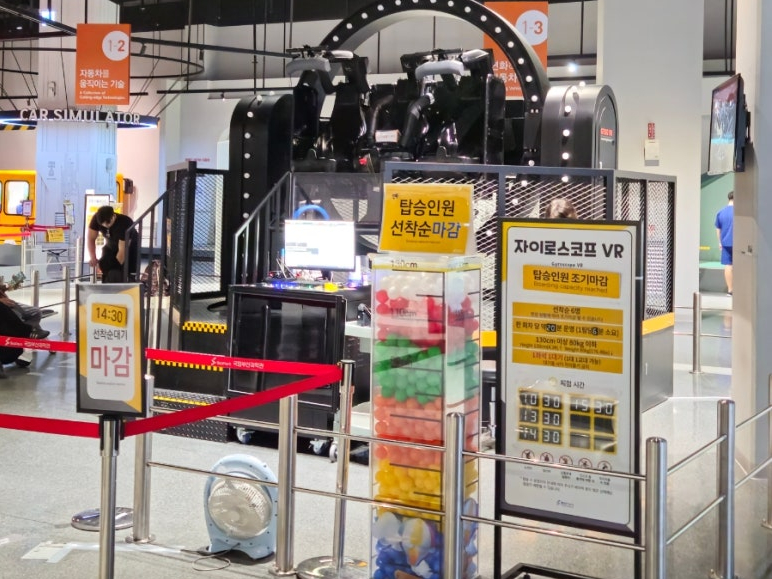
The National Busan Science Museum has played an important role as a center for science culture in the southeastern region over the past 10 years and has established itself as a representative STEM education platform for local children.
With plans for renewed exhibitions, the expansion of the children's science museum, and the enhancement of international collaborations, it is preparing for a new leap, and its value as a science experience center for children in Busan is expected to increase further.
The Busan Science Museum offers convenience through its QR code-based admission system via online reservation, making it a highly recommended place for family outings.
#BusanScienceMuseum, #GijangScienceMuseum, #EasternBusanChildrenScienceMuseum, #OsiriaAttraction, #BusanKidsExperience, #BusanWeekendOuting, #BusanFamilyExperience, #BusanScienceExhibition, #BusanSpecialExhibition, #BusanParenting, #ChildrenScienceMuseum, #BusanScienceExperience, #BusanAstronomyProgram, #BusanDaytimeAstronomicalObservation, #BusanQRAdmission, #BusanAttractionsWithKids, #OsiriaTrip, #BusanIndoorExperience, #BusanScienceEducation, #BusanCampHall, #SaessakNuriHall, #BusanExhibitionRecommendation, #BusanCeremony, #BusanSymposium, #BusanViewingTips, #GijangTrip, #BusanTourism, #BusanFamilyTrip, #BusanChildExperience, #BusanYearEndAttractions
Frequently Asked Questions (FAQ)
Q. What features does the National Busan Science Museum have as a science experience space?
It is a complex science experience space for children in Busan, Ulsan, and Gyeongnam regions, with over 8 million visitors in the past 10 years.
The National Busan Science Museum, celebrating its 10th anniversary, has become a representative science and culture space in the southeastern region, exceeding 8 million cumulative visitors. Located in the Gijang Osiria Tourism Complex, it is very popular among children and families in Busan, Ulsan, and Gyeongnam regions. The museum offers permanent exhibitions linked to local industries like automobiles, aerospace, and marine, along with diverse experience spaces for various age groups. It meets the demand for science education through 690 educational programs and special exhibitions, contributing to the development of local scientific culture.
Q. What are the entry and reservation procedures when visiting the Busan Science Museum?
You can quickly enter without waiting on-site by obtaining a QR code after online reservation.
The National Busan Science Museum has implemented an online reservation and QR code-based admission system for visitor convenience. By completing the online reservation before the visit, a QR ticket is issued immediately allowing for quick entry without waiting on-site. When entering the Children’s Science Museum, management is handled via QR code scanning and stamping on the back of the hand; documentation is required for multi-child discounts when paying on-site. Reserved educational programs are also conducted with indoor education following QR check-in.
Q. What major programs can be experienced at the Busan Science Museum?
Popular programs include daytime astronomical observations, planetarium experiences, drone and 3D maker experiences, and the Saessak Nuri Hall.
At the Busan Science Museum, daytime astronomical observations requiring prior reservation and a popular planetarium experience are offered. Additionally, drone and 3D maker experiences are hands-on activities accessible to students from elementary to middle school, attracting considerable interest. The Saessak Nuri Hall for infants is scheduled to be completely renewed in 2025 under the theme of ‘Space Exploration.’ Preparing for online reservations and QR codes significantly enhances visitor satisfaction.
Q. What are the special exhibitions and events commemorating the 10th anniversary of the Busan Science Museum?
Special events like the 'My Friend Cyfort' exhibition and an international symposium on December 11 are being prepared.
To celebrate the 10th anniversary, a special exhibition, 'My Friend Cyfort', will be held from October to March, allowing children to experience the history and future of the museum. An international symposium and ceremony will take place on December 11, gathering experts from science museums in the Philippines and Japan to discuss future strategies and international cooperation. There are also plans for ongoing museum development through exhibition renewals and facility expansions.
Q. How is parking and convenience for nearby tourism when visiting the Busan Science Museum?
With the expected completion of a parking tower in 2025, parking convenience will improve, and various attractions in the Osiria Tourism Complex are nearby.
The Osiria Tourism Complex housing the Busan Science Museum is close to various attractions such as Lotte World, Aqua World, and Haedong Yonggungsa, making it suitable for family day trips. The expansion of a parking tower with a total of 595 spaces is expected to reduce congestion during peak times upon its completion in December 2025. These facilities will support a pleasant viewing environment for visitors.
